

What We Found After Scanning a Freightliner Columbia
Dash warnings are easy to second-guess when the truck still seems to run fine. Plenty of drivers may debate whether to finish the route or stop to have it checked out. Forest Regeneration Services Inc. took the latter approach. Their 2009 Freightliner Columbia came in after a low oil pressure warning showed up on the dash during local running. The customer did the smart thing and brought the truck in before guessing at it. Or pushing the engine harder than it needed. That is the kind of call where Kylertown semi diagnostics can save a driver from a much larger repair.
The Scan Pointed to the Sensor
Oil pressure warnings get our attention quickly. A semi can keep running while something small is wrong, but low oil pressure can also point toward engine damage if it gets ignored. Before we treated it like a major failure, we needed to scan the vehicle, check the active codes, and see what the truck was actually telling us.
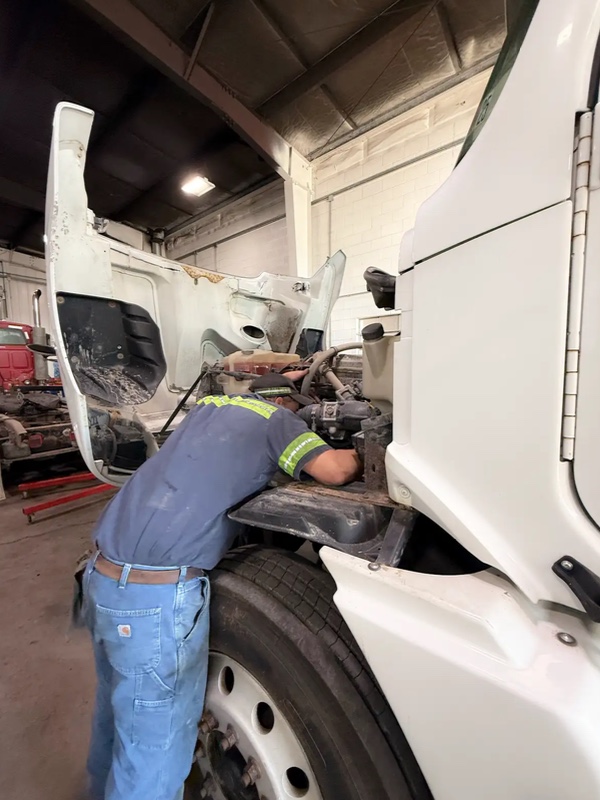
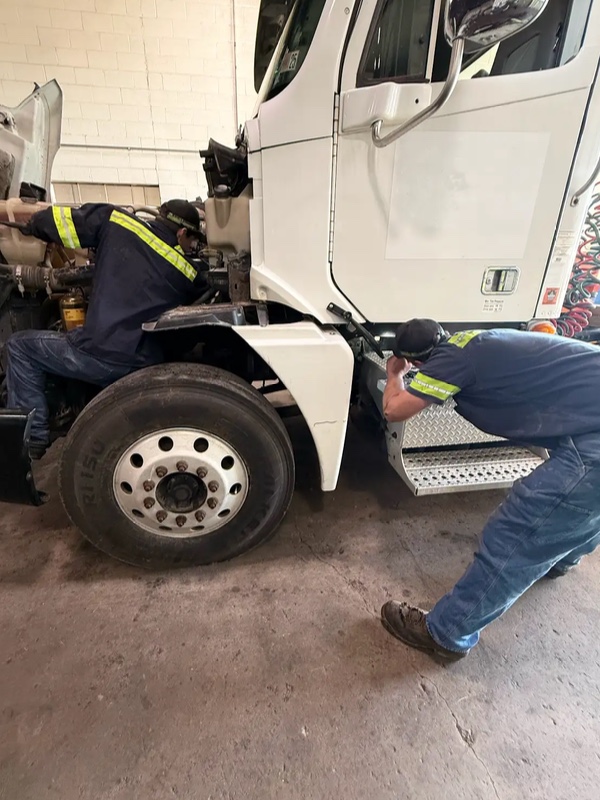
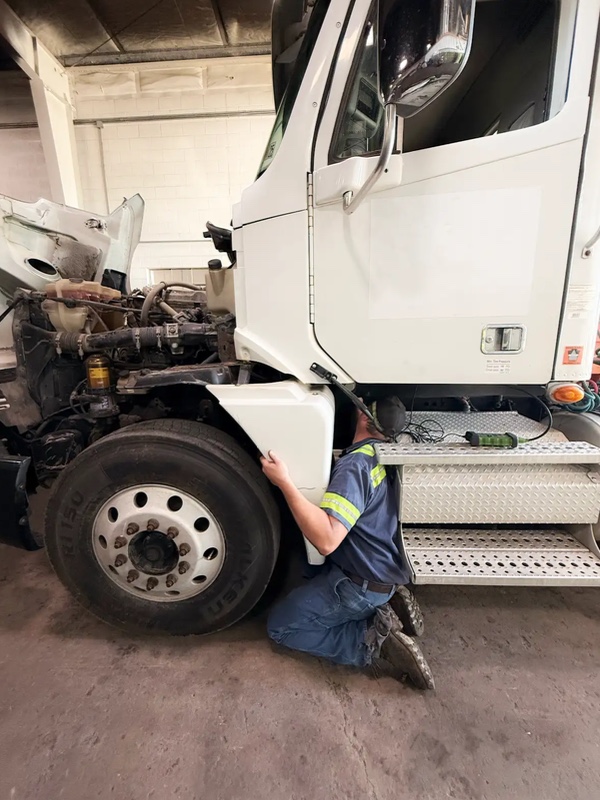
We pulled the Freightliner into the bay and connected it to diagnostic software. The warning light gave us a starting point, but the computer gave us the better trail to follow. The scan showed codes tied to the oil pressure sensor, which moved the repair in a more direct direction.
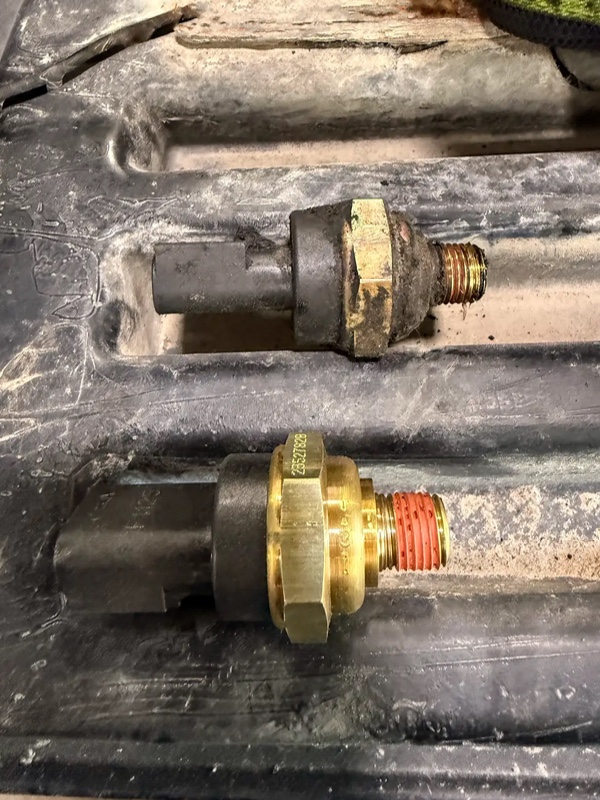
That was good news for the owner. A true low oil pressure problem can lead to bigger internal engine concerns, especially if the truck keeps working under load. In this case, the issue pointed to the sensor rather than an immediate oiling failure. Still, we verified the repair instead of just swapping the part and calling it done.
The Repair Was Simple, but Access Was Not
The right oil pressure sensor was already in stock for this Freightliner, so the job did not sit around waiting on parts. That helped keep the truck’s downtime low. For Kylertown semi diagnostics, having common parts on hand can turn a warning light visit into a same-day repair instead of a parked unit.
The tricky part was access. The sensor sat in a tight spot, and reaching it took more care than the part itself suggested. We found the best approach, removed the failed sensor, installed the new one, and checked the unit again. Small parts do not always mean easy labor.
Trust But Verify Before Sending It Back Out
After the new sensor went in, we cleared the codes and ran the truck again. The warning did not return, and the unit operated as it should. That final check matters during Kylertown semi diagnostics because a code that comes right back usually means the truck still has something else going on.
The technician notes were straightforward:
- Connected the computer and scanned for active codes
- Found oil pressure sensor codes
- Removed and replaced the faulty oil pressure sensor
- Verified the unit was operating correctly
- Cleared codes and confirmed they did not return
The full job took about two hours from pull-in to completion. That included the scan, the access work, the sensor replacement, and the final verification. In our shop, Kylertown semi diagnostics is not just reading a code. It is proving that the repair actually fixed the complaint.
Bigler Boyz Truck Repair Handles Kylertown Semi Diagnostics Before Small Warnings Grow
At Bigler Boyz Truck Repair, we handle Kylertown semi diagnostics for warning lights, sensor faults, engine concerns, drivability issues, and repair follow-up checks. This Freightliner Columbia was a good example of why local fleets and working trucks should not ignore dash warnings. The customer brought it in early, we scanned it, found the failed sensor, replaced it, and confirmed the code stayed gone.
Our work also covers semi truck repair, oil pressure concerns, electrical checks, engine-related faults, and general service for trucks that need to stay working. Kylertown semi diagnostics often starts with one warning on the dash, but the real value is finding out whether that warning is a bad sensor, a wiring issue, or the first sign of something much bigger. Around here, catching that early keeps trucks moving on local routes instead of sitting with an avoidable repair.
FAQs
Is a low oil pressure warning always a serious engine problem?
Not always. It can be caused by low oil, a faulty sensor, wiring trouble, or an actual oil pressure issue. The safest move is to stop and have it checked before running the engine under load.
Can I keep driving if the oil pressure light comes on?
It is risky. Low oil pressure can damage bearings, pistons, and other internal engine parts. Pull over as soon as it is safe and check the oil level or call for service.
What does an oil pressure sensor do?
It reads oil pressure and sends that information to the truck’s computer or dash gauge. If the sensor fails, it may trigger a warning even when pressure is normal.
How long does it take to replace an oil pressure sensor?
Many replacements take one to two hours. The time depends on where the sensor is located and how much access the technician has.
Why do technicians scan the truck before replacing parts?
A scan helps confirm which fault codes are active. It keeps the repair from becoming guesswork. The technician still verifies the fix after the new part is installed.
Can poor maintenance damage an oil pressure sensor?
Yes, it can contribute. Dirt, oil leaks, rough handling, and over-tightened fittings can affect the sensor or nearby connections. Regular inspections help catch those issues early.