

How a Turbo Fault Turned Into a Major Engine Repair
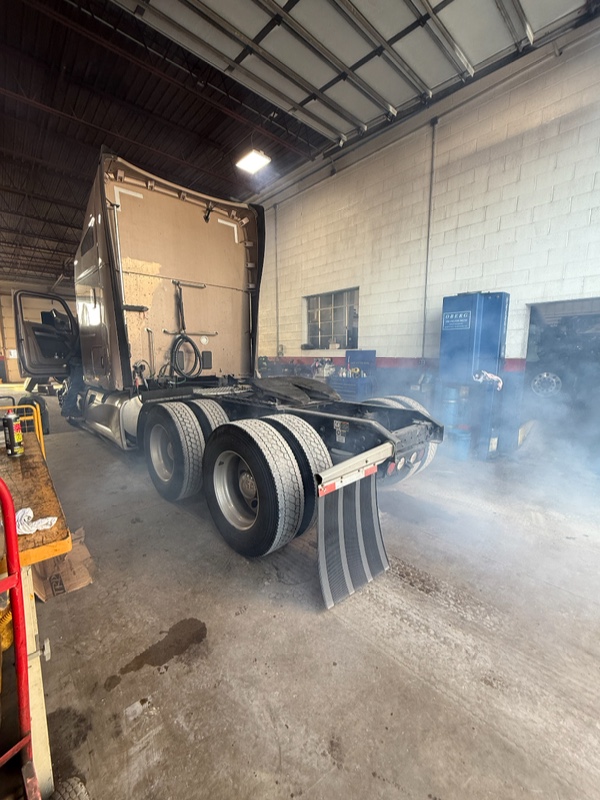
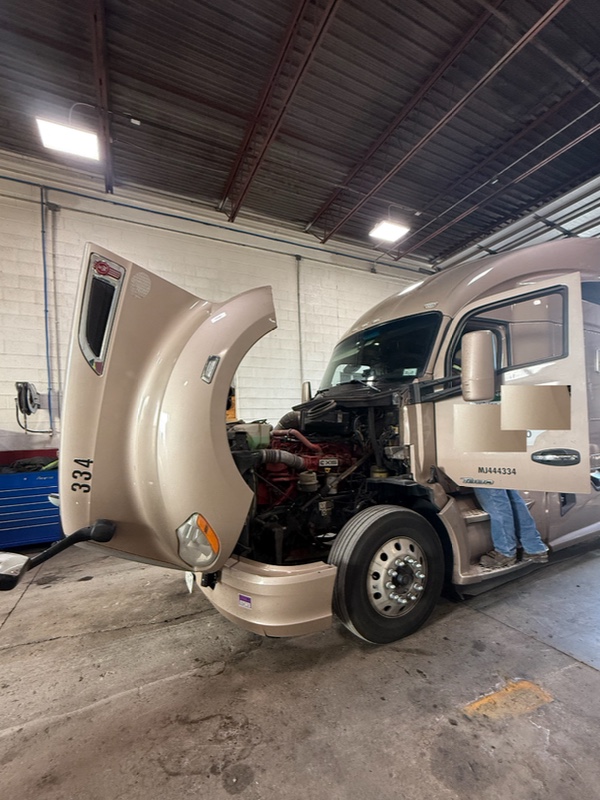
A 2021 Kenworth T680 came off Interstate 80. Signs pointed deeper than a simple roadside issue. We had the unit brought to the shop so our truck technicians could get eyes on it, scan it, and start working through the problem. For a case like this, Kylertown semi truck engine repair starts before the hood even goes up, because the way the truck acts on the road tells us a lot.
White Smoke Changed the Diagnosis
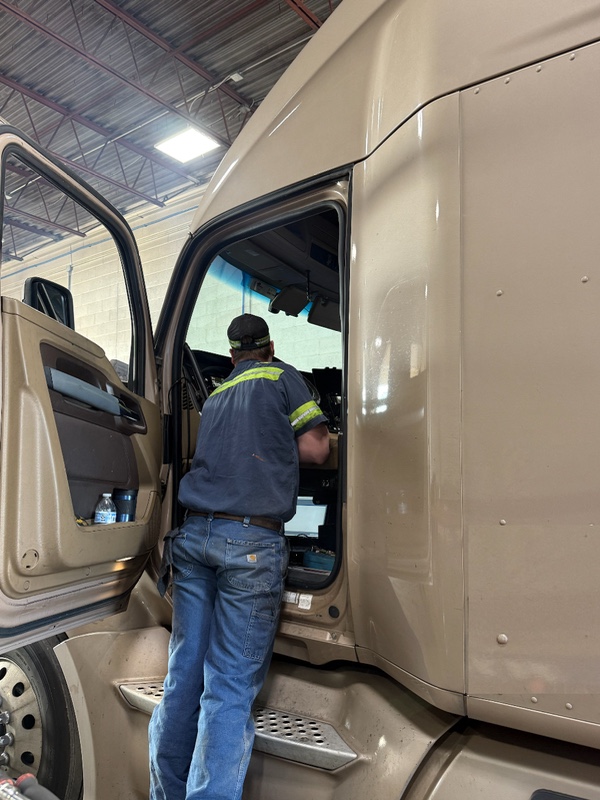
Once the unit came into the bay, we treated it like more than a quick fault-code job. White smoke showed up on startup. Now that’s an attention grabber. A heavy vehicle can hide a lot of problems until it gets under load. The scan tool gave us turbocharger actuator codes, and that was the first real thread to pull.
What the First Scan Told Us
The turbocharger actuator fault made sense once we removed and inspected the parts. The wastegate valve had stuck closed, which meant the system could not control boost the way it should. That kind of failure can start as a drivability problem, then turn into something much bigger if the engine has already taken a beating.
We also found a misfire on cylinder 3. That changed the direction of the job. A misfire on a semi truck engine can come from fuel, air, compression, electronics, or internal damage, so we kept digging instead of stopping at the turbo. In our opinion, that is where a lot of expensive mistakes happen.
Pulling the Head Told the Bigger Story
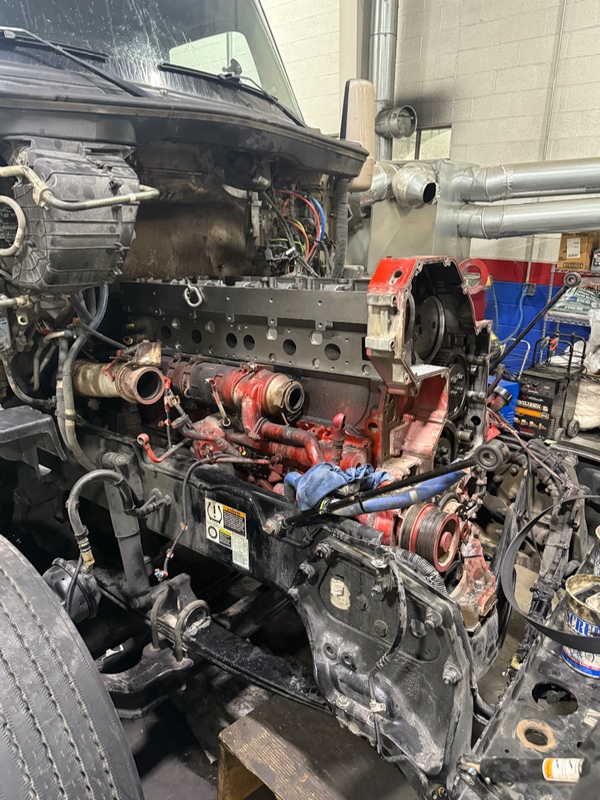
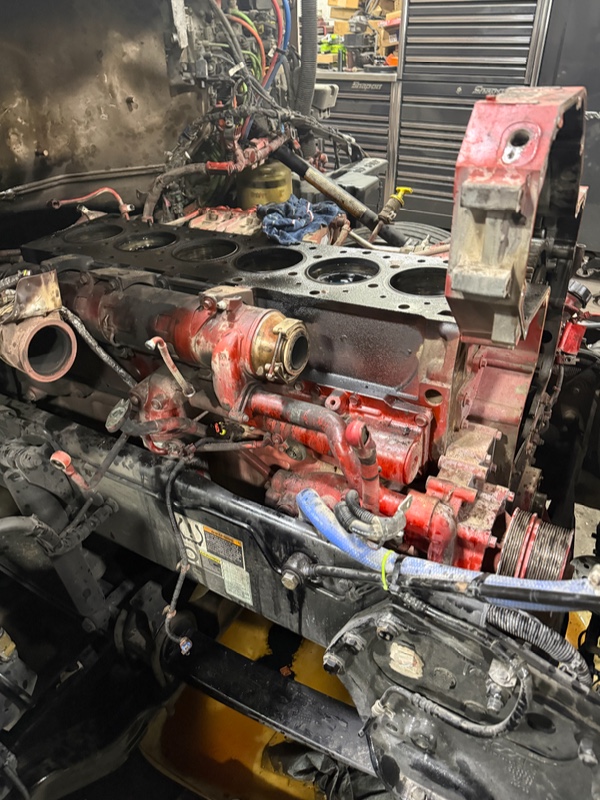
Once the cylinder head came off, the problem became much clearer. We found damage in cylinders 3 and 6, plus scoring on the piston crowns. Those marks told us this Kenworth needed more than bolt-on parts. At that point, a complete overhaul made more sense than trying to patch one symptom and send the driver back out.
The customer approved the repair after we reviewed the findings and estimate. That approval step matters on a big engine job, because nobody wants surprises halfway through a 60-hour repair.
What the Overhaul Included
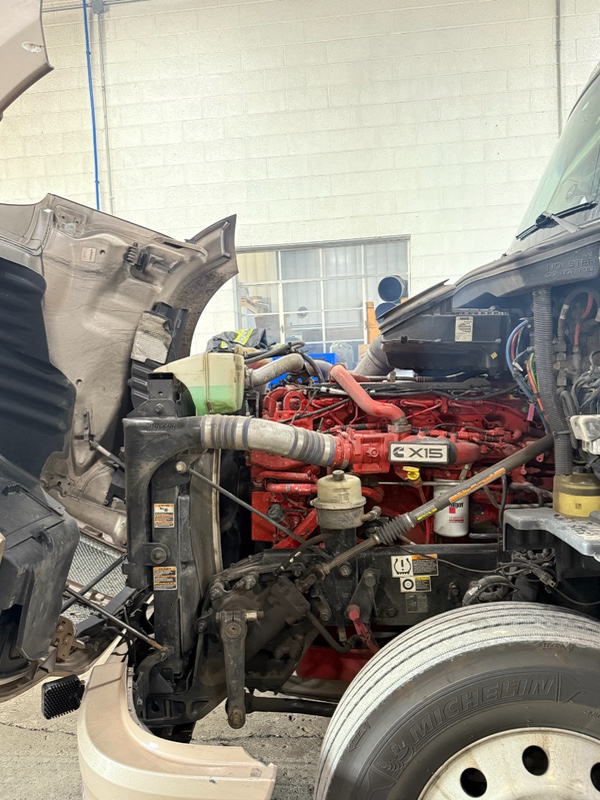
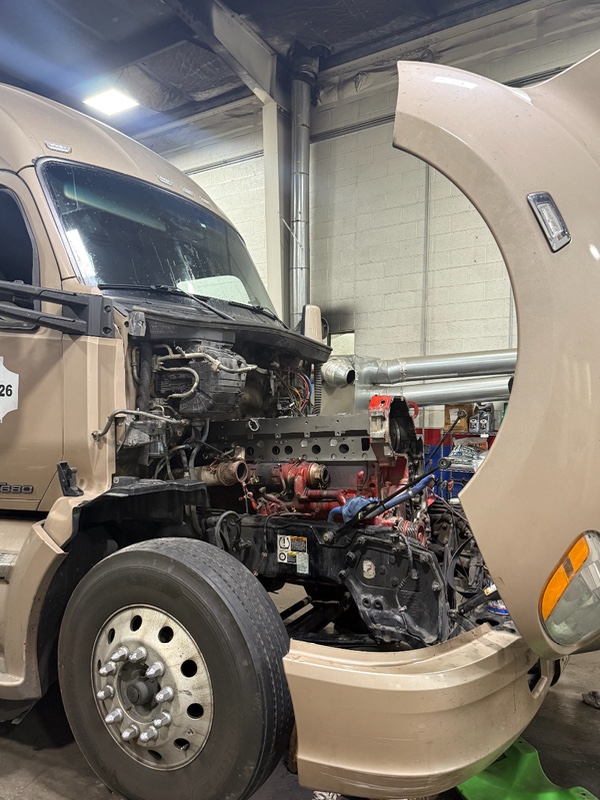
The repair started with the cylinder pack coming out of the engine block. We cleaned and prepared the engine deck, then installed new cylinder liners and pistons. Piston ring gaps were checked and set to manufacturer specs.
Some of the major work included:
- New cylinder liners and pistons
- New cylinder head gasket from the overhaul kit
- Intake and exhaust manifolds with new gaskets
- Six new fuel injectors
- New oil pump, water pump, turbocharger, and turbocharger actuator
The engine also received a new front cover assembly with a front main seal, rocker arm and Jake brake housings, valve cover assembly, oil pan gasket, fresh oil, and 12 gallons of coolant. After reassembly, we brought it up to operating temperature and checked for leaks or odd behavior. Then came the test drive. A proper test drive gives us a better feel for Kylertown semi truck engine repair than a truck idling clean inside the bay.
Downtime and Preventing the Next Failure
This job took about 60 hours of labor after diagnosis. We had two technicians on it at the same time, because a driver or fleet owner can lose real money with a truck sitting still for weeks. For big Kylertown semi truck engine repair jobs, we usually expect around two weeks of downtime when parts, approval, and shop flow line up.
Prevention still deserves some attention here. Regular oil changes, clean air filters, proper warmup, and better shutdown habits help these engines live longer. Overheating needs quick attention too, even if the truck still feels like it has power. We see Kylertown semi truck engine repair cases get worse when small warning signs get ignored for one more load.
How Bigler Boyz Truck Repair Handles Kylertown Semi Truck Engine Repair After an I-80 Tow
At Bigler Boyz Truck Repair, a job like this connects towing, diagnostics, engine teardown, and full repair under one roof. The Kenworth T680 came in from I-80 with smoke, turbo actuator faults, a stuck wastegate valve, and internal cylinder damage. That is the kind of Kylertown semi truck engine repair call where the first tow is only the beginning of the work.
We handle heavy truck towing, diagnostics, diesel repair, engine overhaul work, turbocharger replacement, cooling system work, fuel injector replacement, and the shop checks needed before a truck goes back on the road. Kylertown semi truck engine repair often comes from the same places around here: I-80 shoulders, fuel stops, loading docks, and trucks trying to finish one more run before the engine finally says no.
FAQs
What does white smoke from a semi truck usually mean?
White smoke can point to coolant, fuel, or internal engine problems. It is one of those signs that should not be ignored, especially on a diesel engine. A technician needs to inspect it before the truck keeps running under load.
Can a turbocharger actuator fault cause engine problems?
Yes, it can affect how the turbo controls boost. If the actuator or wastegate fails, the engine may lose power, smoke, or run poorly. It may also hide a deeper issue, so a full diagnostic check matters.
What is a cylinder misfire in a diesel truck?
A misfire means one cylinder is not firing the way it should. Common causes include injector problems, compression loss, air issues, or internal damage. On a heavy truck, a misfire should be checked quickly before it leads to a larger repair.
How long can a semi truck engine overhaul take?
A full overhaul can take several days to a couple of weeks, depending on parts, labor, and the amount of damage found. The actual labor may run dozens of hours. Good communication helps the owner plan around downtime.
Why do technicians remove the cylinder head during diagnosis?
Removing the cylinder head lets the technician inspect the inside of the engine. That can reveal piston damage, liner issues, valve problems, or scoring. Scan tools help, but they cannot show everything inside the engine.
How can drivers help prevent major engine damage?
Keep up with oil changes, watch coolant temperature, and replace dirty air filters. Let the engine warm up and cool down properly. Small habits matter a lot on engines that run long hours under heavy loads.