


A Small Crack Can Turn Into a Big Engine Problem
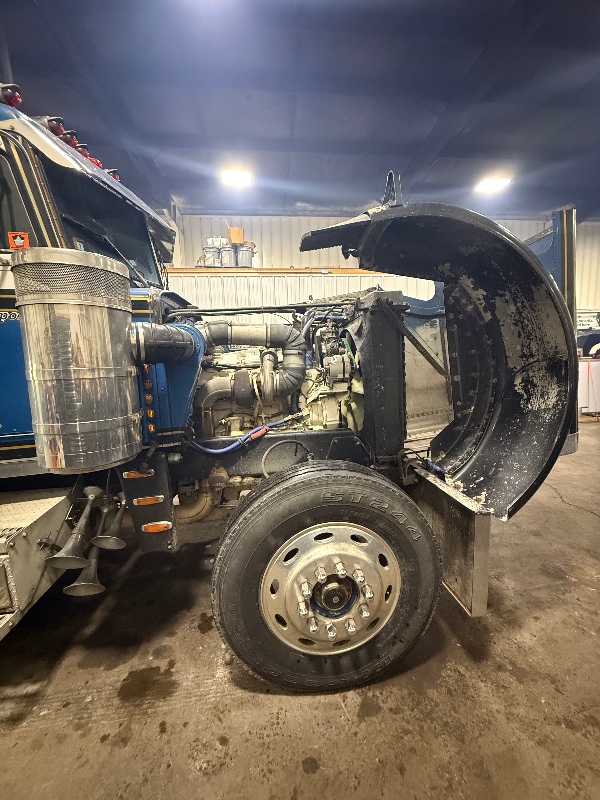
The old 1986 Peterbilt 359 rolled into our shop after the driver noticed heavy vibration and rising engine temperatures. As a Kylertown diesel mechanic shop, we see plenty of worn parts on older trucks, yet this one stood out right away. The vibration shook through the front of the engine, and the temperature climbed faster than it should have during normal operation. That combination pointed us toward the cooling fan assembly before we even opened the hood.
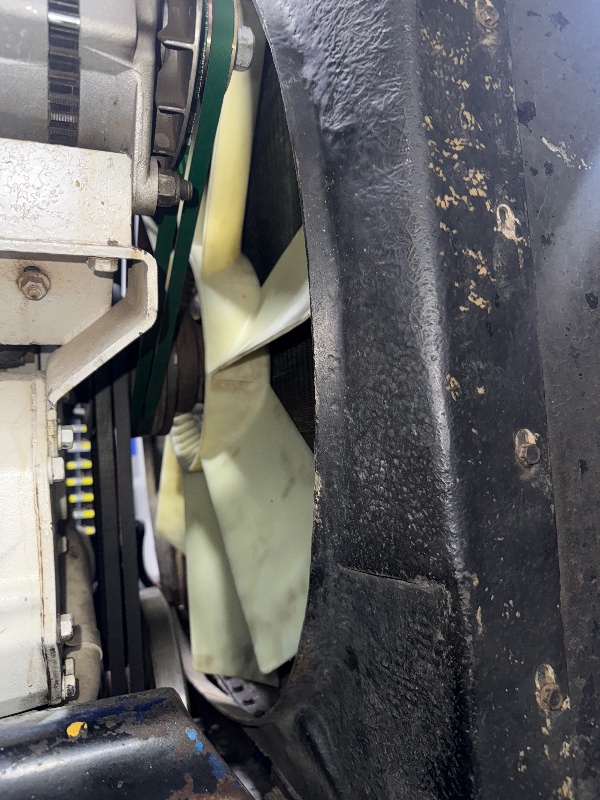
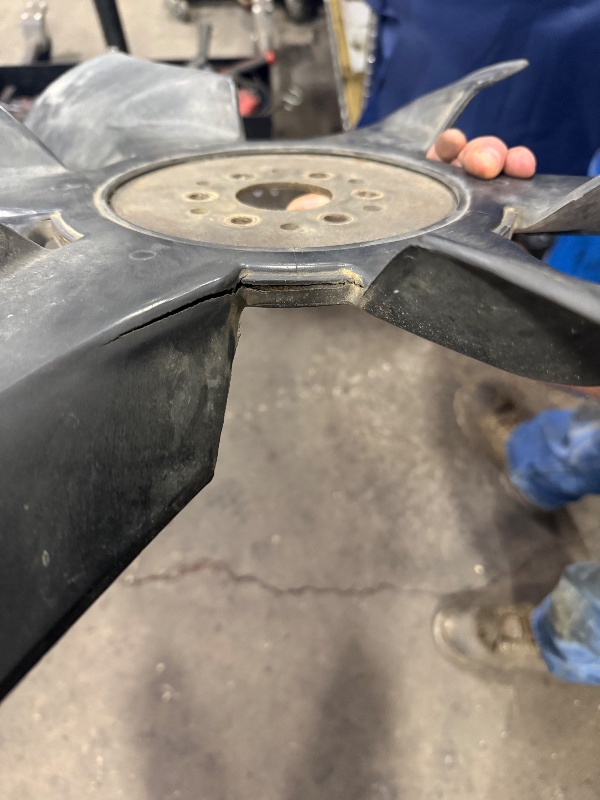
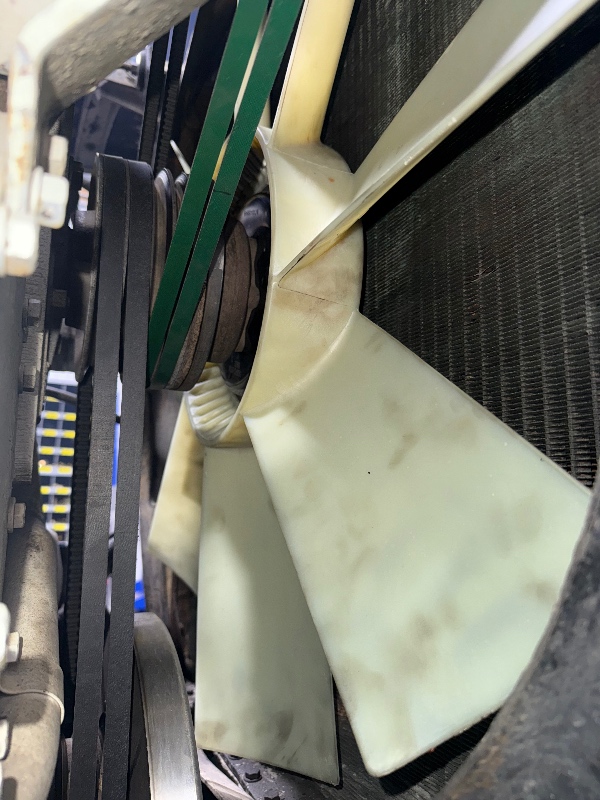
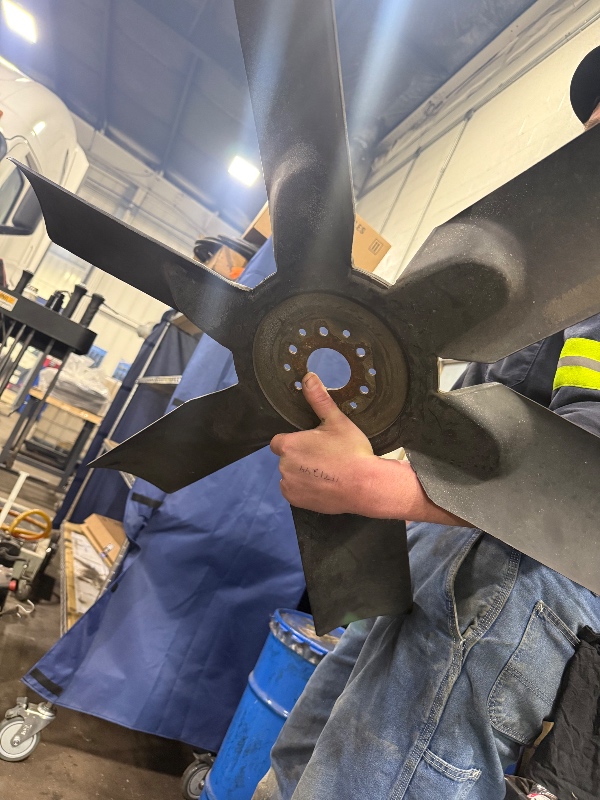
Once we started our inspection, we found two visible cracks in the fan blade. The damage had thrown the fan out of balance, which explained the rough vibration. A cracked blade also reduces airflow through the radiator, so the engine cannot stay cool during long drives or hard pulls. If the blade had broken apart on the road, it could have damaged the radiator, fan clutch, hoses, and other parts in the front of the engine.
Confirming the Cause of the Vibration
We brought the truck into the shop to confirm what the driver had already noticed. The engine shook while it ran, and the fan moved unevenly during operation. During our visual inspection, we found two cracks in the fan blade assembly. Those cracks had already weakened the blade enough to create a severe imbalance.
Once we confirmed the problem, we ordered a replacement fan blade assembly. Thanks to our vendors, the new part arrived within a few days. While we waited, we inspected the surrounding parts to make sure the damage had not spread to the radiator or fan clutch. Fortunately, the rest of the cooling system remained in good condition.
Replacing the Fan Assembly
After the new assembly arrived, we started the repair by removing the cooling shroud and disconnecting the fan clutch assembly. We loosened the radiator mounts to gain enough room to remove the damaged fan. With the old assembly out of the truck, we installed the new fan blade and torqued the mounting bolts to manufacturer specifications.
Before we finished, we repositioned the radiator and secured all mounts back into place. Then we started the engine and watched the fan during operation. The vibration disappeared, and the engine temperature returned to normal. From start to finish, the repair took about two and a half hours.
Warning Signs Drivers Should Never Ignore
Fan blade failures do not happen every day, though they do show up often enough that we always take them seriously. A damaged fan can begin with a small crack, a chipped blade, or a slight wobble that seems minor at first. Over time, that damage grows and puts more strain on the fan clutch and radiator.
Drivers can help avoid larger repairs by checking for a few common warning signs:
- Cracks or chips in the fan blade
- Wobbling while the engine runs
- Unusual noises near the front of the engine
- Higher engine temperatures during normal driving
- Air leaks or loose mounting hardware
Catching those signs early can keep a simple repair from turning into a much larger problem.
Bigler Boyz Truck & Trailer Repair: Our Kylertown Diesel Mechanic Shop Keeps Trucks Running Strong
At Bigler Boyz Truck & Trailer Repair , we work on trucks that have seen years of hard use, including older models like this Peterbilt 359. As a Kylertown diesel mechanic, we know that small cooling system problems can quickly lead to major engine damage. A Kylertown diesel mechanic has to look past the obvious symptoms and find the real cause before the truck returns to the road. That is exactly what we did with this repair. Our Kylertown diesel mechanic team confirmed the damage, ordered the right parts, and completed the job without delay.
We take the time to inspect every related part during a repair so nothing gets missed. A Kylertown diesel mechanic should always check the fan clutch, radiator mounts, and airflow around the engine before closing up the job. Drivers who need a trusted Kylertown diesel mechanic can count on us to keep their trucks moving mile after mile.
FAQs
What are the signs of a cracked fan blade on a diesel truck?
A cracked fan blade often causes strong vibration, unusual noise, and higher engine temperatures. Some drivers also notice shaking in the cab while the engine runs.
Can a damaged fan blade cause an engine to overheat?
Yes. A damaged blade cannot move enough air through the radiator. Reduced airflow allows engine temperatures to climb during normal driving.
What can happen if a broken fan blade is ignored?
A failed blade can strike the radiator, hoses, fan clutch, or nearby engine parts. That damage can turn a small repair into a much larger one.
How long does it take to replace an engine cooling fan blade?
Most fan blade replacements take a few hours. The exact time depends on how easy it is to access the fan assembly and radiator mounts.
How often should truck fan blades be inspected?
Drivers should inspect fan blades during regular maintenance visits. It also helps to check them anytime the truck develops vibration or cooling problems.
What should drivers look for during a fan blade inspection?
Look for cracks, chips, loose hardware, wobbling, and signs of rubbing. Any damage should be repaired before the truck returns to the road.