


Power Lost, But Problem Found
We’ve seen our fair share of turbo troubles roll through the shop, but every truck tells a different story. This one came from a driver with Best Line Equipment, hauling through our stretch of Pennsylvania when something didn’t feel right. Power was down. Acceleration lagged. He knew something was off and he knew where to stop. The driver pulled into Bigler Boyz Truck & Trailer for a Kylertown turbo repair, and let our team take it from there. From the outside, nothing screamed catastrophic. But inside the engine? The signs were adding up fast. This truck had a turbo problem, and it wasn’t going away on its own.
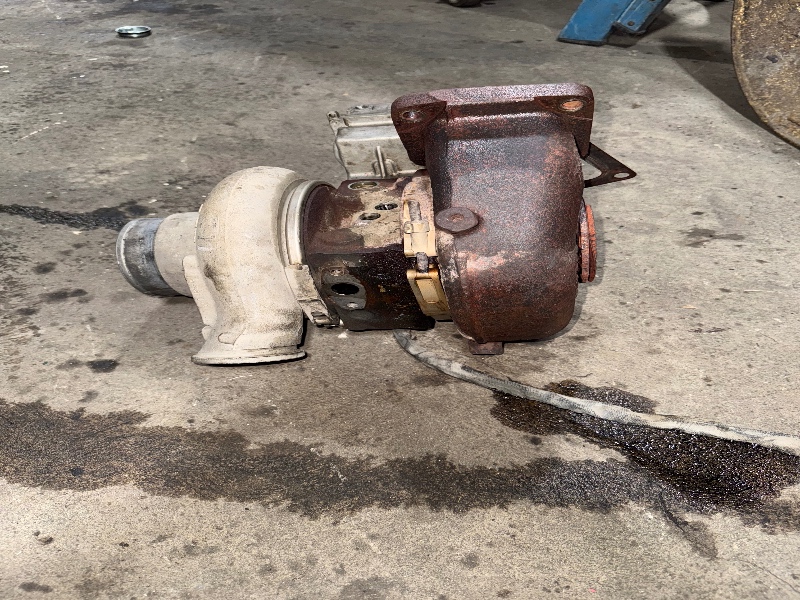
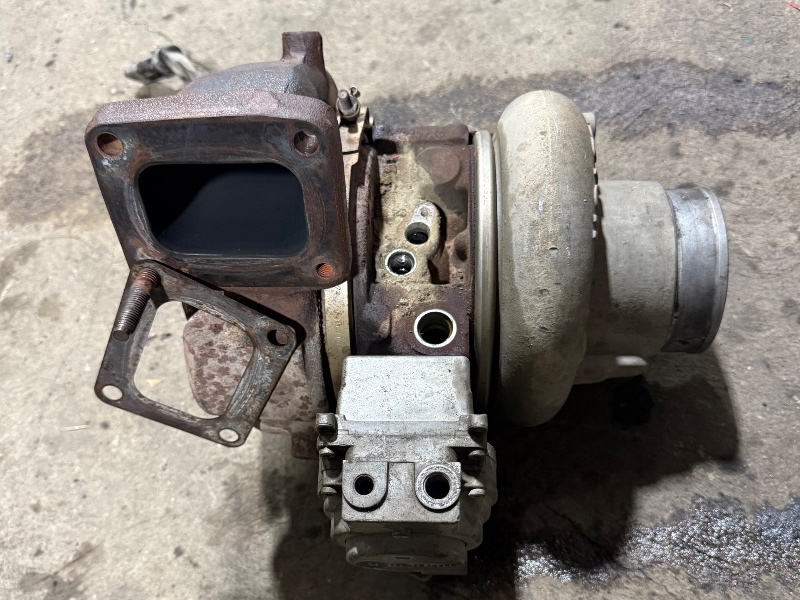
Getting Under the Hood
We started like we always do: with a mix of technology and eyeballs. Our technician hooked up the diagnostic scanner and pulled fault codes pointing to a turbo actuator malfunction. That told us what the computer saw. Then we popped the hood to see what the eyes could find.
A full inspection of the air intake system, intercooler, and related piping followed. We checked every hose, every seal, and every connection. And there it was: symptoms that matched the computer’s story. Loose performance, signs of wear, and no doubt about it: the turbo had to go.
Step-by-Step: How a Turbo Gets Replaced
Once the call was made, the repair began. Here’s what it looked like:
- Disconnected the battery and drained coolant
- Unbolted intake and exhaust piping
- Disconnected all oil and coolant lines
- Removed the turbocharger from the manifold
Sourcing the right part can often slow things down, but we’ve built strong pipelines for exactly this reason. The replacement turbo was in our hands the very next day.
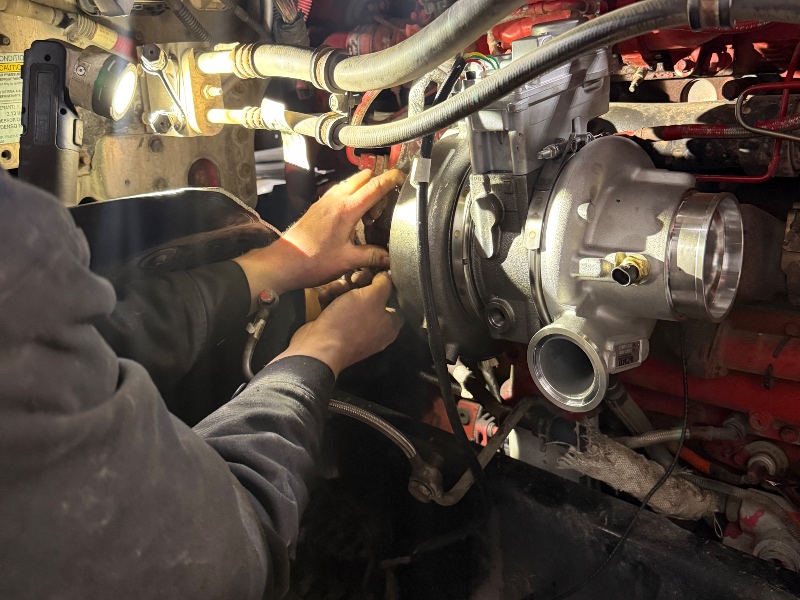
Installation was more than just a bolt-on job. New gaskets were installed, fasteners torqued to spec, and every line reconnected with care. We topped off the coolant and brought the engine up to operating temperature to confirm it was ready for the road again.
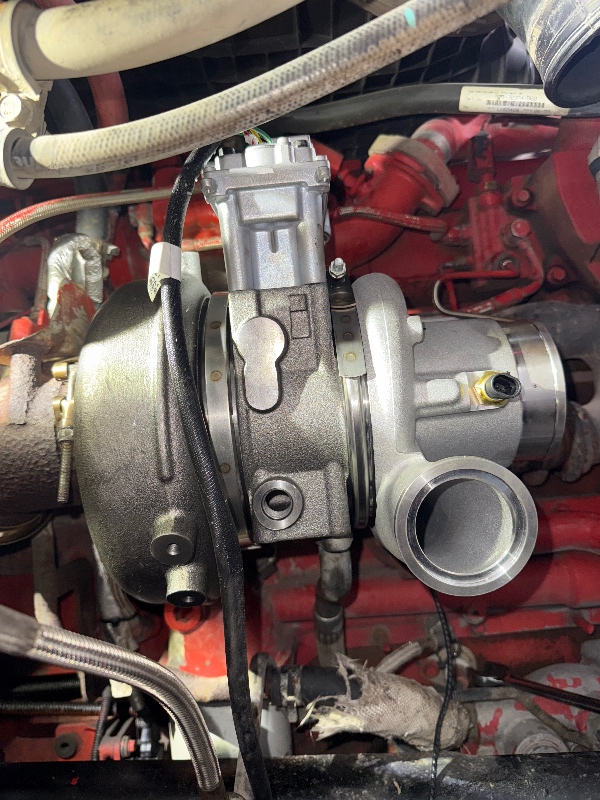
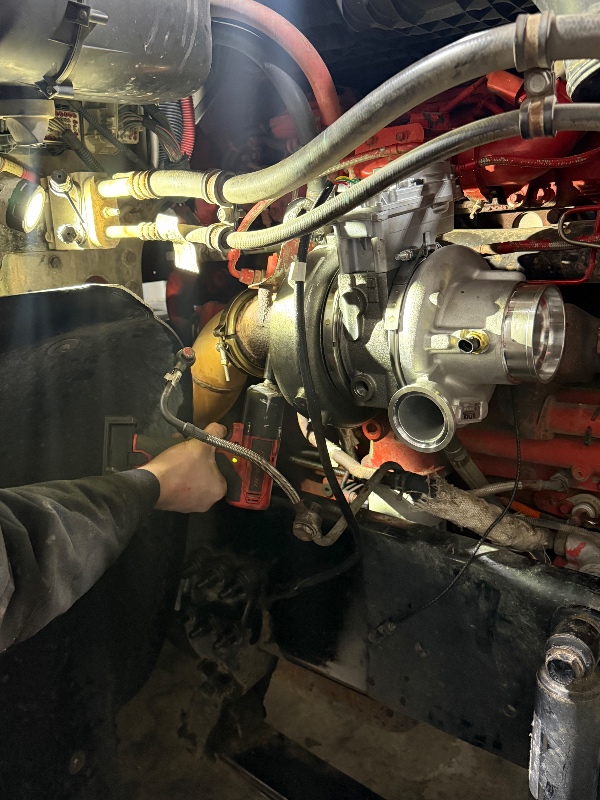
What Causes Turbo Failure?
Turbochargers don’t just quit out of nowhere. Most failures come from:
- Oil starvation or contamination
- Inlet restrictions from clogged air filters
- Foreign object damage
- Delayed response to early symptoms
This job? It was a mix of wear and actuator failure, made worse by extended operation. Some of the signs we caught:
- Loss of power and throttle lag
- Whining/siren-like noises
- Oil presence in areas it shouldn’t be
- A lit check engine light
Staying ahead of these problems starts with the basics: regular oil changes, clean filters, and paying attention when things start to feel off.
The Road Back to Full Power
After five hours of focused work, our team had the Freightliner SD122 running strong. Diagnostics cleared. No coolant leaks. Clean acceleration and full boost. That’s the kind of Kylertown turbo repair result we aim for, because getting it done right means getting it done once.
Bigler Boyz Truck & Trailer: Experts in Kylertown Turbo Repair
Our Kylertown turbo repair team knows that no two turbo issues are alike. But the goal never changes: get that truck back on the road, operating like it should.
At Bigler Boyz Truck & Trailer, our Kylertown turbo repair crew brings the tools, the experience, and the grit to handle any challenge. Whether you’ve got actuator codes blinking at you or you’re feeling that telltale power loss, we’ve got you covered.
Besides Kylertown turbo repair, here’s what we also offer:
- Turbo diagnosis and replacement
- Full engine diagnostics
- Emergency roadside service
- Efficient sourcing of OEM and aftermarket parts
- Transparent communication every step of the way
If you’re dealing with turbo trouble, don’t wait for it to turn into something worse. For dependable Kylertown turbo repair, bring it to Bigler Boyz Truck & Trailer. We’re ready when you are.
FAQ
What are the signs your turbocharger is going bad?
Common signs include reduced engine power, slow acceleration, increased exhaust smoke, high-pitched whining noises, oil around the turbo, and a check engine light combined with performance issues.
How long does it take to replace a turbocharger on a truck?
Turbo replacement usually takes between four to six hours, depending on the make and model of the truck and how accessible the components are.
Can you drive with a failing turbo?
Yes, but it’s not recommended. Driving with a failing turbo can lead to more severe engine damage and higher repair costs if the problem spreads to other systems.
Why do turbochargers fail so often?
Most turbo failures are linked to oil problems like contamination, low pressure, or delayed maintenance. Other causes include air filter restrictions and foreign debris entering the system.
Is it better to rebuild or replace a turbo?
Replacement is often quicker and more reliable for fleet vehicles or work trucks. Rebuilding can save money but depends heavily on the extent of the damage and the quality of the rebuild.
Do I need to change my oil after a turbo replacement?
Yes. An oil change after turbo replacement is essential to remove any contaminants and ensure proper lubrication for the new turbo system.