

An Air Leak That Required More Than a Roadside Fix
An air leak can bring a commercial truck to a halt quickly, especially when the unit can no longer build enough air for the braking system to operate correctly. A 2017 Volvo VNL owned by Swift Haul Logistics Inc. recently needed our Kylertown truck repair after the driver came to an unexpected stop on Interstate 99. The unit had a significant air leak, could not build air properly, and had a noticeable delay when the brakes released.
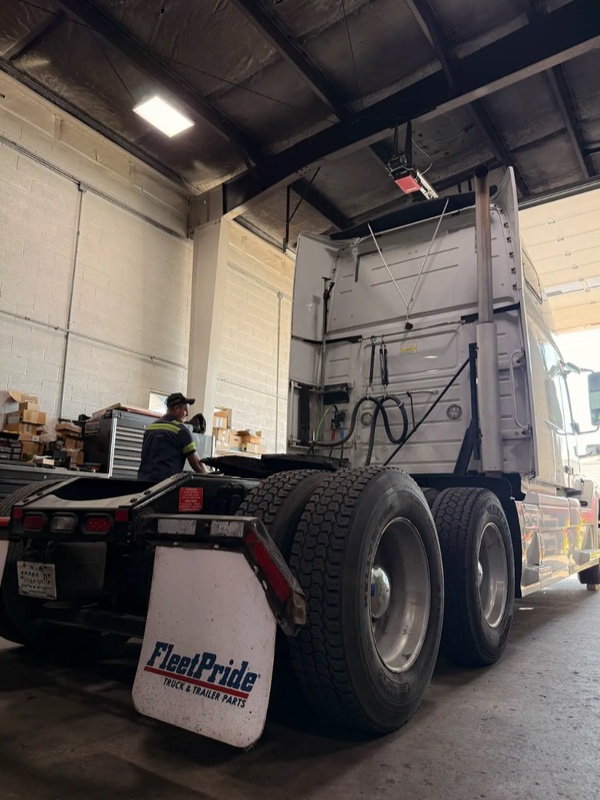
Our technician initially responded to the truck as an emergency roadside service call. During the roadside diagnosis, we traced the problem to a faulty quick release valve on the tractor. The repair required shop access, so after receiving approval from the company, we prepared the Volvo for towing and brought it back to our garage for further inspection and repair.
Confirming the Air System Problem
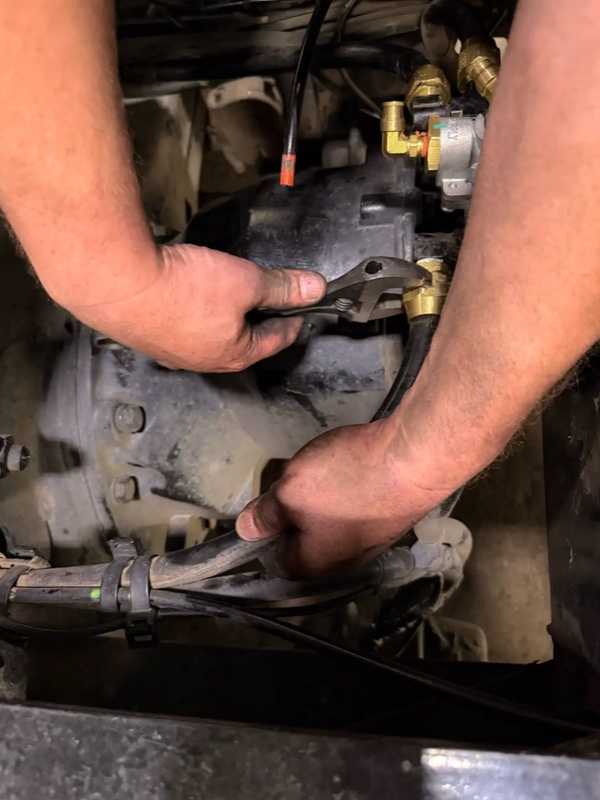
Once we had the Volvo inside the shop, we performed a secondary inspection to confirm the original diagnosis. We also checked for other problems that could have contributed to the valve failure or created additional air system concerns. This inspection confirmed that replacing the faulty quick release valve was the necessary repair.
Replacing the Quick Release Valve
With the replacement valve available and the truck positioned for access, we removed the faulty component and installed the new quick release valve. We also replaced the appropriate fittings associated with the repair. Once everything was installed, we started the truck and checked that the air system could build and maintain pressure properly.
Testing the Truck Before Returning It to Service
Installing the replacement part was only part of our Kylertown truck repair process. We needed to confirm that the brakes released and operated correctly after the new valve and fittings were installed. The system built air as expected, and our testing confirmed proper operation before we marked the service complete.
From the time the truck entered the shop, the quick release valve replacement took approximately two hours. The correct roadside diagnosis helped us move directly into the required repair once the necessary part was ready. That kept shop time limited and allowed the driver to resume the route after the work was finished.
What Drivers Can Check Before an Air System Failure
Commercial truck air systems need regular attention because leaks and damaged components can interfere with brake operation. A thorough pre-trip inspection gives us an opportunity to catch visible or audible warning signs before the truck begins its route. Routine maintenance can also reveal worn fittings or other developing concerns before they lead to a roadside stop.
Drivers and fleet operators can pay attention to several areas during regular inspections:
- Listen for air escaping while the system is pressurized.
- Check fittings for visible damage or deterioration.
- Watch for excessive dirt or debris around air system components.
- Confirm that the truck builds and maintains proper air pressure.
- Pay attention to changes or delays in brake release.
Why Air Fittings Need Careful Maintenance
Air fittings deserve attention during our Kylertown truck repair work because damaged connections can create leaks throughout the system. Overtightening fittings can damage threads and contribute to premature component failure. Following the proper maintenance requirements helps preserve the connection and reduces the chance of creating another leak during service.
Brake Release Delays Deserve Attention
A delay in brake release can indicate a problem within the truck’s air system. In this case, the faulty quick release valve prevented the brakes from releasing properly and accompanied a significant air leak. Our Kylertown truck repair inspection allowed us to identify the failed component, replace it, and verify normal operation afterward.
Bigler Boyz Truck Repair Delivers Quality Kylertown Truck Repair for Commercial Fleets
At Bigler Boyz Truck Repair, we provide Kylertown truck repair for commercial trucks that need diagnostics, maintenance, and mechanical repairs. This 2017 Volvo VNL arrived after an emergency roadside diagnosis identified a problem that required shop service. We confirmed the faulty quick release valve, completed the replacement, changed the appropriate fittings, and tested the air system before returning the unit to service.
Our Kylertown truck repair work also supports fleets that need routine attention before a mechanical issue causes an unexpected stop. Regular inspections of tires, air systems, fittings, and other truck components give us a chance to identify developing problems during scheduled service. For fleet operators such as Swift Haul Logistics Inc., that ongoing maintenance provides a practical way to keep service records current and address repairs as they arise.
FAQs
What does a quick release valve do on a commercial truck?
A quick release valve helps air leave the brake chambers faster when the brakes are released. This allows the brakes to disengage promptly after the driver releases the pedal.
Can an air leak stop a truck from moving?
Yes. A significant leak can prevent the air system from reaching the pressure needed for normal brake operation. The truck may need to remain parked until the source of the leak is identified.
How can a driver tell if a truck has an air system leak?
A hissing sound is one common warning sign. Drivers may also notice slow pressure buildup, falling gauge readings, warning lights, or changes in brake response.
Is it safe to drive a truck with slow brake release?
Slow brake release should be inspected before continuing a trip. Delayed release can point to a problem with valves, air lines, fittings, or another part of the braking system.
How often should commercial truck air systems be inspected?
Drivers should check air system operation during regular pre-trip inspections. Fleet maintenance schedules should also include closer inspections based on vehicle use, mileage, and manufacturer recommendations.
What can cause air fittings on a truck to start leaking?
Age, vibration, damaged threads, worn seals, corrosion, and improper installation can contribute to leaks. Overtightening a fitting may damage its threads or connection and create problems later.