

When a Pit Stop Pays Off
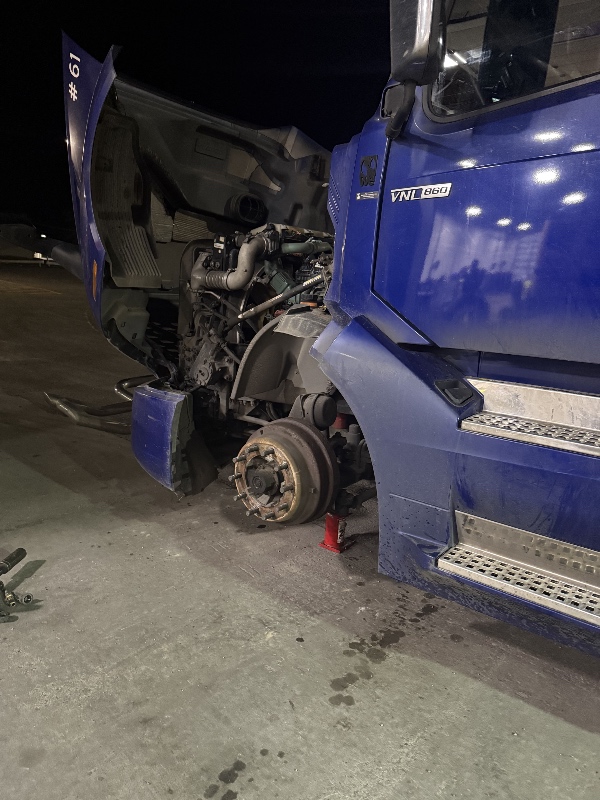
In fleet maintenance, tire problems are almost guaranteed. It’s not a question of “if” but “when.” That’s why we make sure our Kylertown fleet services are ready for everything from minor patch jobs to full replacements mid-route. Just recently, we worked with Mustang Carriers LLC, a repeat customer, whose 2021 Volvo VNL needed two tire replacements during an active delivery.
The driver contacted us ahead of time so we could prepare for a quick turnaround. When the unit arrived, our technician got to work inspecting the tires, taking stock of the damage, and confirming what needed replacement, before any of those tires became a bigger issue. In no time, the unit was safely back on the road, hauling freight without delay.
Tire Replacements That Don’t Waste Time
We’ve handled enough steer tires and trailer tires to know that delays cost money. Every minute a truck is parked is a missed mile. That’s why our Kylertown fleet services are built around fast, reliable repairs.
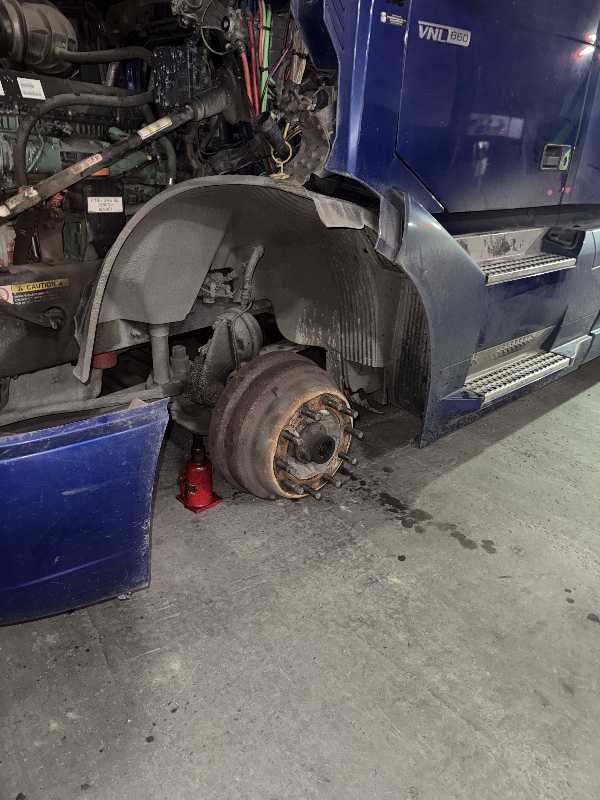
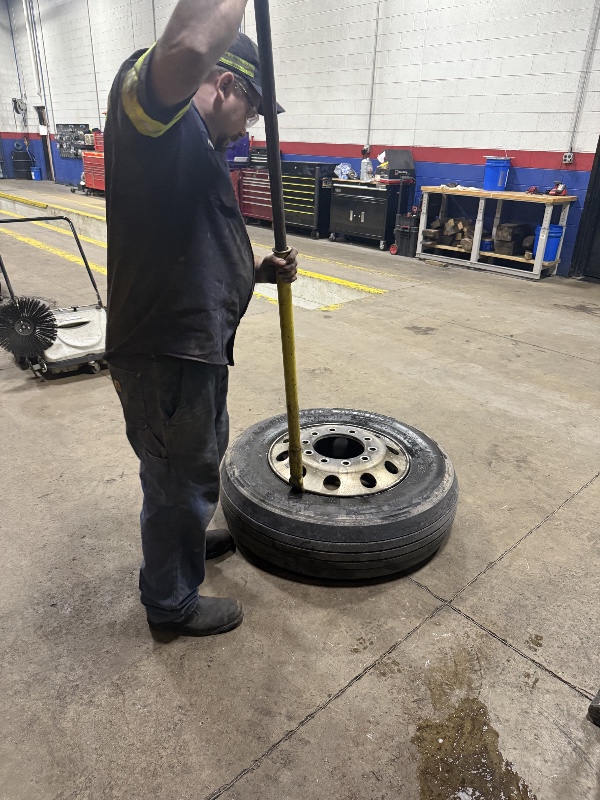
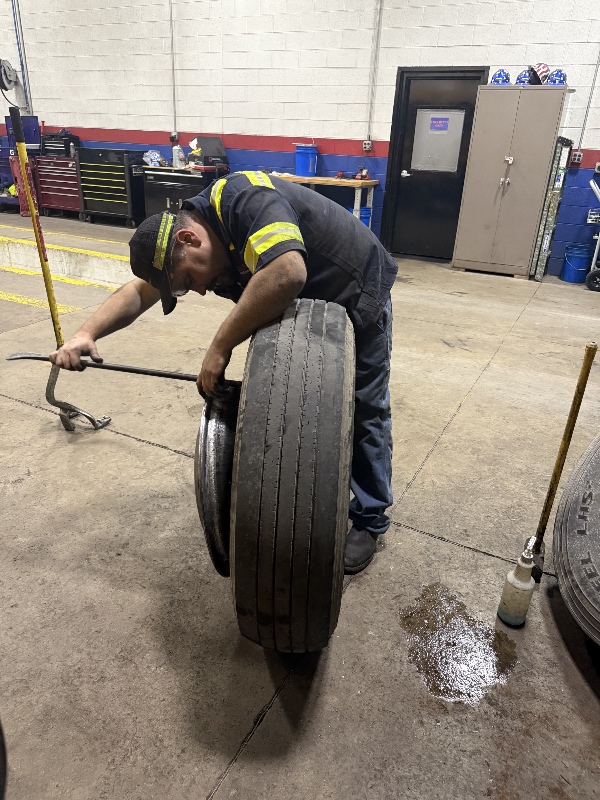
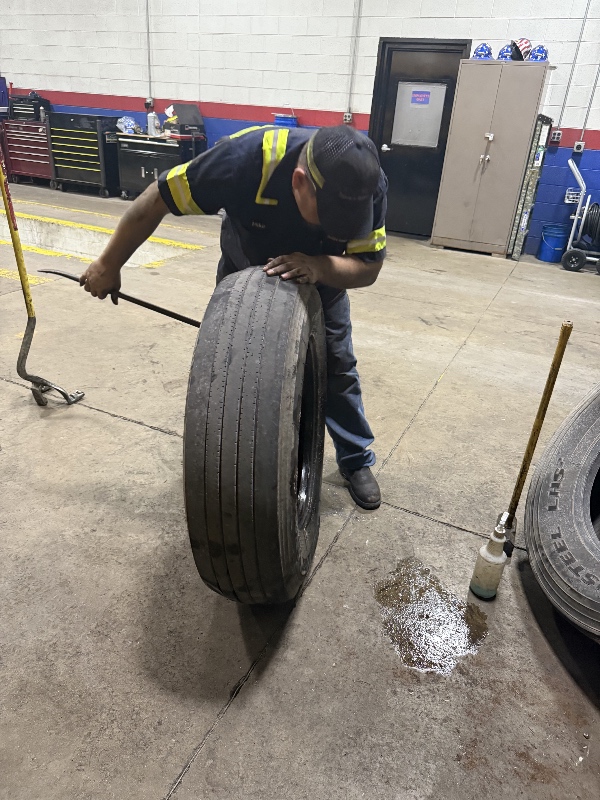
During this visit, our technician began by inspecting the unit and confirming the tire replacement needs. After verifying the damage, the left-side steer tire and the right inside trailer tire were removed and replaced. Each new tire was aired up to 105 PSI, then torqued to 475 ft/lbs, following the manufacturer’s specifications. We also changed the valve stems as part of our standard process, because shortcuts just aren’t part of our system. Once the new tires were secured, checked, and tested, the truck was cleared to get back on the road.
Why Tire Maintenance Should Be Proactive
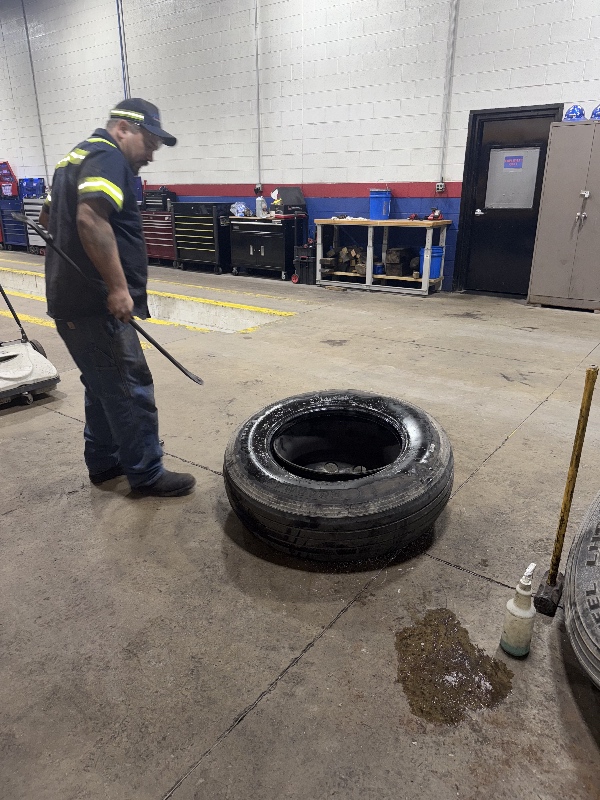
Plenty of drivers roll around with avoidable damage. Worn treads, slow leaks, uneven wear… these are signs that often go unchecked until a flat happens. And when it does, it’s always inconvenient. That’s where smart fleet managers stay ahead.
What helps?
- Scheduled tire checks every few thousand miles
- Watching PSI daily before heading out
- Swapping out damaged valve stems
- Catching signs of uneven wear early
- Logging all maintenance work to track performance
Even when things are running fine, small issues can go unnoticed. That’s why our Kylertown fleet services a great resource for keeping fleets running smoothly. Before the emergency happens.
Kylertown Fleet Services with Bigler Boyz Truck & Trailer Repair
At Bigler Boyz Truck & Trailer Repair, we’ve built our name around helping local fleets stay operational without the downtime. Our Kylertown fleet services are trusted by carriers like Mustang Carriers LLC because we don’t waste time, we don’t miss the details, and we always stick to high standards.
Whether it’s a single tire or a full inspection, our Kylertown fleet services provides the tools and technicians to get the job done. Tire swaps like this Volvo VNL service are an everyday part of our routine, and that routine is what keeps fleets like Mustang Carriers moving mile after mile.
So next time you’re scheduling maintenance or need a mid-route repair, let our Kylertown fleet services keep your wheels rolling.
FAQ
How often should commercial truck tires be replaced?
Most truck tires should be inspected regularly and replaced every 3 to 6 years, depending on usage, load conditions, and wear patterns. Visual checks and tread depth measurements are key to timing it right.
What are the signs a truck tire needs to be replaced?
Look for low tread depth, sidewall cracks, uneven wear, and visible damage. A tire that constantly loses air or shows bulging areas should be replaced immediately.
Can a truck continue driving on one damaged trailer tire?
It is not recommended. A damaged trailer tire can affect load balance and increase the risk of blowouts or further damage to the unit. Prompt replacement is safer and more cost-effective.
Is it necessary to replace valve stems during a tire change?
Yes. Replacing valve stems during a tire change helps prevent leaks and extends the life of the new tire. It’s a small step that improves long-term reliability.
What PSI should steer tires be set to on a commercial truck?
Most steer tires are aired to around 105 PSI, but this can vary by manufacturer and load type. Always refer to the unit’s specifications for the correct pressure.
Can tire issues be prevented with regular maintenance?
Absolutely. Routine checks, consistent tire rotations, proper inflation, and timely replacements all help avoid unexpected issues and improve overall road safety.